Say Cheese: Unlocking Playful Creativity with a Colorful Typeface
In the world of design, capturing a sense of joy and authenticity can be just as important as clarity. While clean sans serif fonts dominate corporate landscapes, there is a massive demand for typefaces that break the mold and inject personality into a project. If you are working on a design that needs to feel whimsical, artistic, or simply fun, you need a tool that can deliver that energy immediately. Enter Say Cheese, a distinctive display font that has become a favorite among designers, crafters, and entrepreneurs looking to add a splash of vibrancy to their work. This font isn't just about the letters; it is about the experience it creates for the viewer.
The Visual Personality of Say Cheese
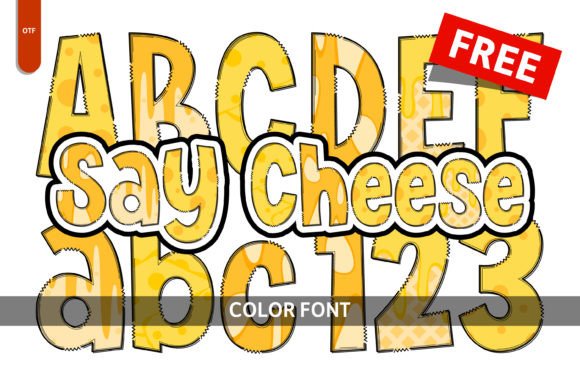
At its core, Say Cheese is a creative font designed to mimic the fluidity and imperfection of hand-drawn letters. It leans heavily into a playful aesthetic, making it an ideal choice for projects that target a younger demographic or aim to evoke a sense of nostalgia and warmth. Unlike rigid serif fonts or geometric sans serif typefaces, this font features irregular baselines and organic curves that give it a distinct human touch. It feels approachable and friendly, avoiding the coldness that can sometimes accompany modern typography.
However, the defining feature of this particular typeface is its nature as a premium color font. Utilizing OpenType-SVG technology, Say Cheese allows designers to use multicolor designs directly within the font file itself. This means you aren't limited to flat, single-color text. You can achieve complex, textured, and colorful looks without needing to layer multiple elements in your design software. This capability makes it a powerful design asset for anyone looking to create eye-catching headers, logos, or social media graphics with minimal effort. The visual texture provides a "painted" or "stamped" quality that adds depth and realism to digital designs.
Best Applications: From Branding to Packaging
Understanding where to deploy a display font like Say Cheese is key to successful design. Because of its bold and artistic nature, it shines brightest in applications where legibility at a distance is less critical than immediate emotional impact. It is rarely the right choice for long-form body text, but it is exceptional for headlines, sub-headers, and focal points.
In the realm of brand identity, this font works wonders for businesses that want to position themselves as fun, creative, and approachable. Think of boutique bakeries, children’s party planners, toy stores, or artisanal craft brands. Using this typeface in a logo design or on business cards can instantly signal to customers that the brand is energetic and welcoming. It helps build a visual language that feels less corporate and more personal.
For packaging design, particularly in the food, beauty, or stationery sectors, Say Cheese can help a product jump off the shelf. Its colorful nature allows it to coordinate with product ingredients or themes—imagine a fruit-flavored snack using a font that looks like it was painted with berry juice. Similarly, in editorial design and publishing, it is a top contender for book covers, magazine headers, and internal chapter titles, especially within genres like children’s literature or lifestyle blogs. It sets the mood before the reader even engages with the first sentence.
Digital applications are equally strong. In web design and social media graphics, standing out in a crowded feed is essential. A striking, colorful header created with this font can stop the scroll and increase engagement. It is perfect for Instagram stories, Pinterest pins, and YouTube thumbnails where visual flair drives clicks.
Technical Compatibility and Practical Guidance
Before integrating Say Cheese into your workflow, it is vital to understand the technical specifications to ensure a smooth design process. As noted, this is an OpenType-SVG (Color Font) product. This technology is supported by professional design software including Adobe Photoshop, Adobe Illustrator, Silhouette, and Inkscape. These applications can render the full color and texture data embedded in the font file.
However, there are limitations to be aware of. The OTF and TTF files included in this package are not compatible with Cricut machines. If you are a crafter primarily using Cricut Design Space for cutting, this specific font will not render correctly, as that software does not fully support SVG color fonts in the same way. It is always recommended to test the font in your specific software environment before finalizing a project.
When using Say Cheese, consider the background. Because the font has its own color and texture, it often looks best on solid, neutral backgrounds (white, cream, or light grey) to ensure the letters remain legible. Avoid placing it over busy photographs or complex patterns, as this can cause visual clutter and reduce readability. If you must place it over an image, consider adding a solid color overlay or a text box behind the text to separate it from the background noise.
Strategic Font Pairing and Design Hierarchy
No font is an island. To create a cohesive and professional design, you need to pair your display font with supporting typefaces. Because Say Cheese is bold, textured, and playful, it requires a counterbalance. Pairing it with another decorative or handwritten font would likely result in chaos. Instead, look for stability in a clean sans serif font or a classic serif font.
A simple, geometric sans serif works exceptionally well for body text and supporting information. Fonts like Montserrat, Lato, or Open Sans provide a clean, modern backdrop that allows the personality of Say Cheese to take center stage without competing for attention. If you are going for a more vintage or editorial vibe, a traditional serif font like Garamond or Times New Roman can offer an interesting contrast between the playful header and the serious body copy.
Establishing a clear visual hierarchy is also crucial. Use Say Cheese sparingly for maximum impact. It should be reserved for the main headline or the primary call to action. If you use it for every piece of text, the design will feel overwhelming and the reader won't know where to look. By using it strategically, you guide the viewer's eye exactly where you want it to go.
Licensing and Commercial Use
For entrepreneurs and business owners, understanding the licensing of design assets is non-negotiable. When you purchase Say Cheese, you are typically acquiring a license that allows for commercial use. This means you can legally use the font to create products for sale, such as printed t-shirts, mugs, digital planners, or logo designs for clients.
However, always review the specific End User License Agreement (EULA) provided with the download. Some licenses have restrictions on the number of users or specific types of media. Ensuring you are compliant protects your business and respects the intellectual property of the font designers. By investing in a premium font like this, you are supporting the creative community and ensuring you have high-quality, legally sound assets for your brand.
In summary, Say Cheese is more than just a typeface; it is a design tool that brings energy, color, and personality to a wide range of projects. Whether you are designing a book cover, crafting a brand identity, or creating engaging social media content, this font provides a unique way to connect with your audience through visual storytelling. Just remember to test your software compatibility, pair it wisely, and use it to highlight the most important parts of your message.