Poppy Flower Font: Botanical Elegance for Modern Design
A Typeface Rooted in Nature's Beauty
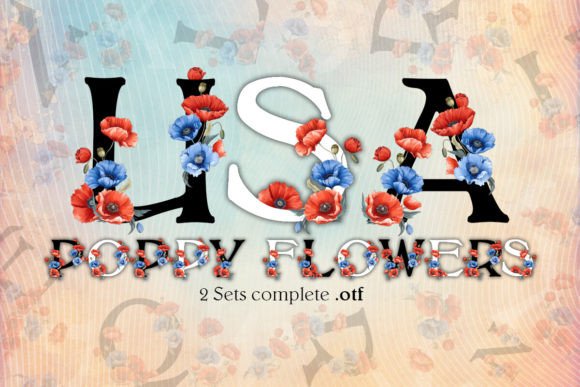
The Poppy Flower Font captures the delicate, organic beauty of one of America's most beloved wildflowers. This isn't your typical script font or handwritten typeface. Each letterform incorporates subtle floral details—gentle curves that echo petal edges, strokes that taper like stems, and a natural rhythm that mirrors a meadow breeze. The result is a creative font that feels alive without sacrificing readability or professionalism.
What sets Poppy Flower apart from other display fonts is its balance. Many decorative typefaces sacrifice function for style, but this premium font maintains clarity across sizes. The letter spacing feels intentional, the weight distribution stays consistent, and the overall personality reads as sophisticated rather than overly whimsical. It's a font that whispers elegance rather than shouting for attention.
Where This Botanical Typeface Truly Shines
Wedding stationery designers will find Poppy Flower particularly compelling. The font's organic grace translates beautifully onto save-the-dates, ceremony programs, and thank-you cards. Its floral undertones create instant romantic appeal without relying on predictable calligraphy styles that dominate the wedding market. Paired with a clean sans serif font for body text, it establishes a refined visual hierarchy that guides the eye naturally.
For branding projects, Poppy Flower works exceptionally well for businesses in wellness, beauty, artisan food, boutique retail, and lifestyle sectors. Think small-batch skincare labels, organic farm logos, independent bookstore identities, or spa branding systems. The typeface communicates authenticity and care—qualities that resonate deeply with consumers seeking genuine connections with the brands they support.
Editorial design presents another strong application. Book covers in literary fiction, poetry collections, and nature writing benefit from Poppy Flower's ability to convey mood instantly. Magazine headers, chapter openers, and pull quotes gain visual interest without overwhelming accompanying serif font or sans serif font body copy. The key lies in restraint—using Poppy Flower as an accent rather than the primary workhorse.
Practical Considerations for Your Projects
Before selecting any creative font for a project, I always recommend testing it in context. Set your actual headlines, not just "The Quick Brown Fox." View the font at the size you'll actually use it. Check how specific letter combinations in your brand name or headline interact. Poppy Flower's botanical details become most apparent at larger sizes, so consider where that visual richness will have the most impact.
Font pairing requires particular attention with decorative typefaces. Poppy Flower pairs naturally with understated companions. A geometric sans serif font provides clean contrast, while a humanist serif font can complement its organic qualities without competing. Avoid pairing it with other ornate scripts or handwritten fonts—the visual noise becomes exhausting. Think of Poppy Flower as the lead vocalist; it needs a solid rhythm section, not another diva.
Readability deserves honest assessment. At small sizes on screens, some of Poppy Flower's delicate details may soften. This is common with display fonts and doesn't disqualify them—it simply means choosing the right context. For web design applications, reserve this typeface for hero sections, feature headlines, and banner graphics rather than navigation menus or small footer text. Social media graphics, however, offer perfect playgrounds where the font can display its full character at generous sizes.
Technical Notes and Licensing
Poppy Flower ships as an OpenType-SVG color font, meaning the letterforms can include actual color information embedded within the font file itself. This technology enables richer visual expression than traditional single-color fonts. Compatible applications include Adobe Photoshop, Adobe Illustrator, Silhouette Studio, and Inkscape. If you work primarily in these environments, integration should feel seamless.
Important compatibility note: the standard OTF and TTF files included with Poppy Flower do not support Cricut machines. Crafters using Cricut for vinyl cutting, paper projects, or heat transfers should verify their workflow supports SVG color fonts before purchasing. Checking the provided font guide helps clarify these technical details and prevents workflow disruptions mid-project.
Regarding commercial licensing, always review the specific terms included with your purchase. Most premium font licenses cover standard commercial use—logos, marketing materials, products for sale—but may have restrictions on embedding in apps, software, or large-scale distribution. Understanding these terms upfront protects your business and respects the type designer's work.
Making the Most of Your Design Assets
Every design project benefits from intentional typography choices. Poppy Flower Font offers a distinctive voice in a landscape crowded with generic options. Its botanical personality brings warmth and character to brand identity systems, packaging design, and marketing collateral. Used thoughtfully, it becomes more than decoration—it becomes a recognizable element of your visual language.
Start by identifying one or two high-impact applications for Poppy Flower within your current projects. Maybe it's the hero headline on a landing page, the masthead of a newsletter, or the primary typeface on product packaging. Give it space to breathe, surround it with complementary design assets, and let its natural elegance do the work. The best typography decisions often come from restraint and confidence—choosing one exceptional font and using it with purpose rather than filling a design with competing voices.