Palestine: A Handwritten Font with Artistic Character
Finding a typeface that feels genuinely personal can be a challenge. You want something with character, something that doesn't look like it was pulled from a default system font library. This is where a creative font like Palestine enters the conversation. It’s not just a collection of letters; it’s a design asset with a distinct, handcrafted personality that can bring a unique warmth and authenticity to a wide range of projects.
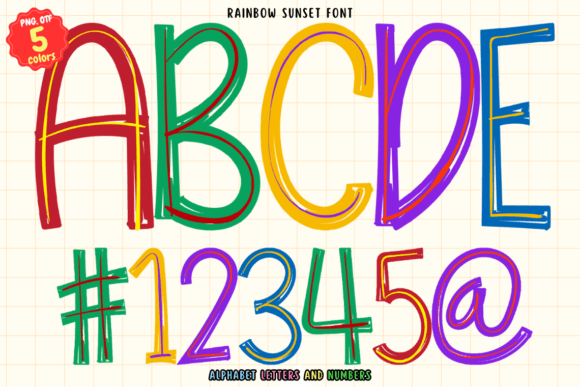
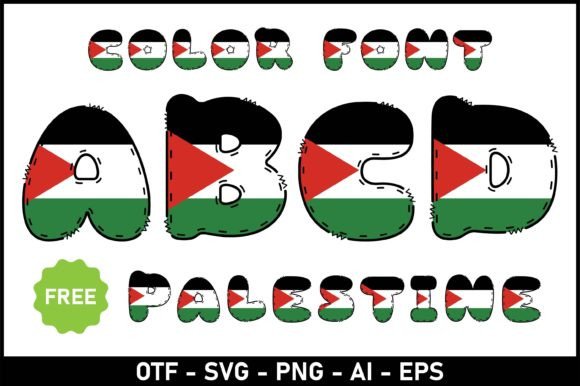
At its core, Palestine is a premium handwritten font. Its visual style is defined by fluid, slightly irregular strokes that mimic the natural movement of a pen or brush. The letters have a casual, artistic flair, with just enough imperfection to feel human. This gives it an approachable and playful personality, making it a standout choice when you need to move away from the rigid structure of a standard sans serif font or the formal elegance of a traditional serif font. Its appeal lies in its ability to convey creativity, sincerity, and a personal touch without sacrificing legibility.
Where Palestine Truly Shines
The real value of a font like Palestine is its versatility across different creative mediums. It’s a typeface that can adapt to various contexts, each time adding its own special flavor. In branding and logo design, it’s perfect for businesses that want to project a friendly, artisanal, or boutique image. Think of a local coffee roaster, a handmade jewelry brand, or a creative consultancy. Using Palestine in a logo immediately communicates a story of craftsmanship and care, helping to build a memorable brand identity.
Beyond the logo, its applications in marketing and publishing are extensive. For social media graphics, Palestine can make quotes, announcements, and calls-to-action feel more personal and engaging, cutting through the noise of sterile, corporate posts. It’s an excellent choice for creating eye-catching posters, event invitations, and greeting cards where a celebratory and artistic feel is desired. In editorial design, it can be used for pull quotes or chapter titles in a book, adding a layer of visual interest. Even in packaging design, a touch of this handwritten font on a label can elevate a product from ordinary to something special and desirable.
Practical Guidance for Your Projects
Before you decide to integrate Palestine into your next project, a practical evaluation is key. Start by considering your audience and the core message of your design. Palestine’s playful, artistic nature is ideal for projects aimed at a broad consumer audience, especially in lifestyle, food, fashion, and arts sectors. However, it might not be the right fit for a highly technical, formal, or legal document where clarity and a sense of authority are paramount.
Testing font pairings is a critical step. A strong display font like Palestine often works best when balanced with a clean, simple sans serif font for body text. For example, pairing it with a font like Montserrat, Lato, or Open Sans can create a beautiful visual hierarchy. The Palestine font draws the eye for headlines and key phrases, while the sans serif ensures that longer paragraphs remain easy to read. This contrast prevents the design from feeling chaotic and guides the viewer’s eye effectively through the content.
When you acquire this premium font, you’ll typically receive a package with multiple styles. Always review the included files. You might find alternate characters, ligatures, or different weights that offer more creative flexibility. Understanding these options allows you to customize the look and feel to perfectly match your project’s needs.
Important Considerations for Readability and Use
While Palestine is designed to be legible, its handwritten nature means it requires thoughtful implementation. For web design, it’s generally best used for larger headlines, hero text, or short snippets of text. Using it for long paragraphs of body copy on a website can strain the reader’s eyes due to its decorative character. The same principle applies to print materials; ensure the font size is large enough for the intricate details of the letters to be clear, especially in smaller formats like business cards.
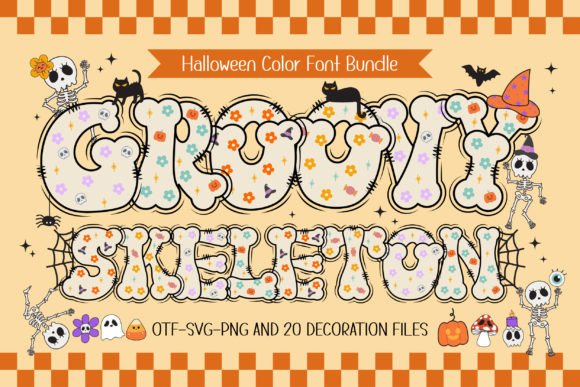
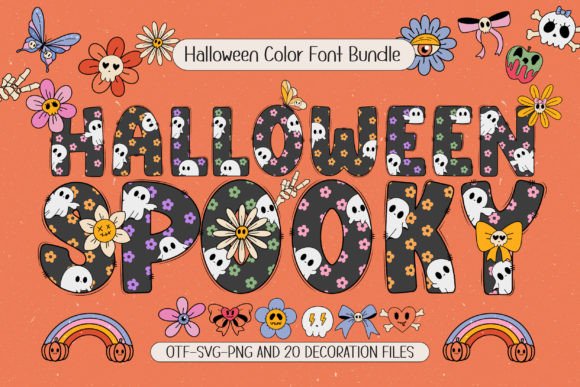
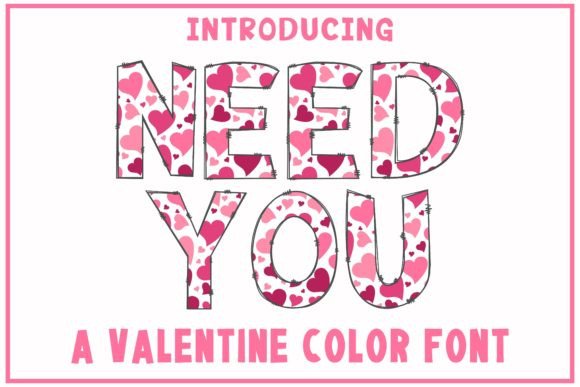
For crafters and hobbyists using cutting machines like a Cricut, it’s essential to pay attention to the font version. As noted in the font’s description, the standard black version is compatible with Cricut Design Space. This is perfect for creating vinyl decals, custom apparel, and paper crafts. However, the color version of the font, which might include multicolored or textured letters, is only compatible with advanced design software like Adobe Photoshop, Illustrator, or Inkscape. This is because color fonts require specific software support to render their full visual effect. Always check the licensing terms to ensure your intended use, whether personal or commercial, is covered.
Ultimately, Palestine is more than just a font; it’s a creative tool. By understanding its personality, testing its fit, and applying it with intention, you can leverage its artistic charm to create designs that are not only beautiful but also deeply resonant with your audience. It’s a valuable addition to any designer’s or creator’s toolkit, offering a straightforward way to inject authenticity and a human touch into digital and print projects alike.