Lemon Cakey: A Slice of SVG Sweetness for Your Designs
More Than a Font, It's a Digital Confection
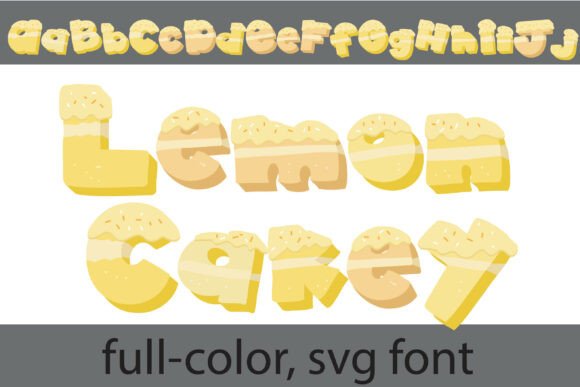
Forget everything you know about flat, single-color typefaces. Lemon Cakey operates on a different level entirely. It's a full-color SVG font, meaning each character is a high-resolution image packed with texture, gradient, and depth. Imagine the cross-section of a perfect lemon layer cake: a base of sunny yellow sponge, a thick, creamy layer of white frosting, and a final, zesty sprinkle of orange zest on top. That’s precisely what this typeface delivers, letter by letter. The "frosted" effect isn't just a visual trick; it creates a tangible, three-dimensional presence on the screen or page that standard fonts simply cannot replicate. It’s a premium font designed not for body text, but for moments where you need instant visual impact and a strong, sweet personality.
Where Zest Meets Design: Practical Applications
Understanding where Lemon Cakey shines is key to using it effectively. Its chunky, decorative nature makes it a specialized tool, not a universal one. Think of it as the cherry on top of your design sundae.
- Bakery & Food Branding: This is its home turf. It’s perfect for logo design for a patisserie, cupcake shop, or lemonade stand. It instantly communicates gourmet, handcrafted quality. Use it for store headers, menu titles, and packaging design for cookies or confections.
- Celebration Stationery: Planning a spring brunch, a garden party, or a birthday celebration? Lemon Cakey brings a festive, celebratory tone to invitations, thank you cards, and party banners.
- Digital Marketing & Social Media: In a crowded feed, this font stops the scroll. It’s ideal for Instagram story headlines, Facebook ad graphics for food products, or Pinterest pins promoting a new recipe. It adds a layer of appetizing appeal that stock photos alone can't match.
- Publishing & Editorial Design: For cookbooks, food magazines, or blog post graphics, it can serve as a stunning drop cap or a chapter title, breaking the monotony of standard serif font or sans serif font layouts with a burst of energy.
Outside these core areas, it can inject fun into personal projects like scrapbooking, custom t-shirt designs, or festive desktop wallpaper. The key is to use it where its playful, indulgent character supports the overall message.
The Art of the Sweet Spot: Readability and Hierarchy
Using a display font like Lemon Cakey requires a designer’s restraint. Its strength is its detail, which also means it demands space. A common mistake is setting it at small sizes or in long strings of text, where the intricate cake textures and frosting details can blur into a visual mess, killing readability.
Instead, use it strategically to create visual hierarchy. Set a short, impactful headline in Lemon Cakey to grab attention, then pair it with a clean, geometric sans serif font for subheadings and body copy. This contrast is fundamental in modern typography. The display font handles the emotional appeal and brand recognition, while the supporting typeface ensures the actual information is easy to consume. This pairing maintains professionalism by showing you understand both flair and function. For a cohesive brand identity, you might only use Lemon Cakey for your primary logo lockup and a handful of key marketing touchpoints, relying on a more versatile typeface for day-to-day communications.
Choosing Your Perfect Design Asset
Before you dive in, treat Lemon Cakey like any other design asset—evaluate it critically for your project.
- Project Fit Test: Does your project’s tone align with its playful, gourmet personality? It’s a poor fit for a corporate law firm or a minimalist tech brand, but a fantastic match for a creative bakery, a children’s party planner, or a food blogger.
- Font Pairing Exploration: Don’t let it stand alone. Experiment with combinations. A sturdy serif font like Georgia can add a touch of classic elegance, while a simple handwritten font might double down on the casual, friendly vibe. Avoid pairing it with other highly decorative or script font styles, as they’ll compete for attention.
- Review the Toolkit: Check what’s included. Does it have the punctuation, numerals, and special characters you need? A good creative font package will offer these to ensure versatility across different languages and contexts.
- Commercial Licensing: This is non-negotiable for any professional work. Ensure the license covers your intended use, whether it’s for a client’s logo, merchandise for sale, or a digital product. Reputable foundries are clear about their licensing terms.
Ultimately, Lemon Cakey